Gaming: Highguard Director Shares Stats And Thoughts On The Game's Failure,...
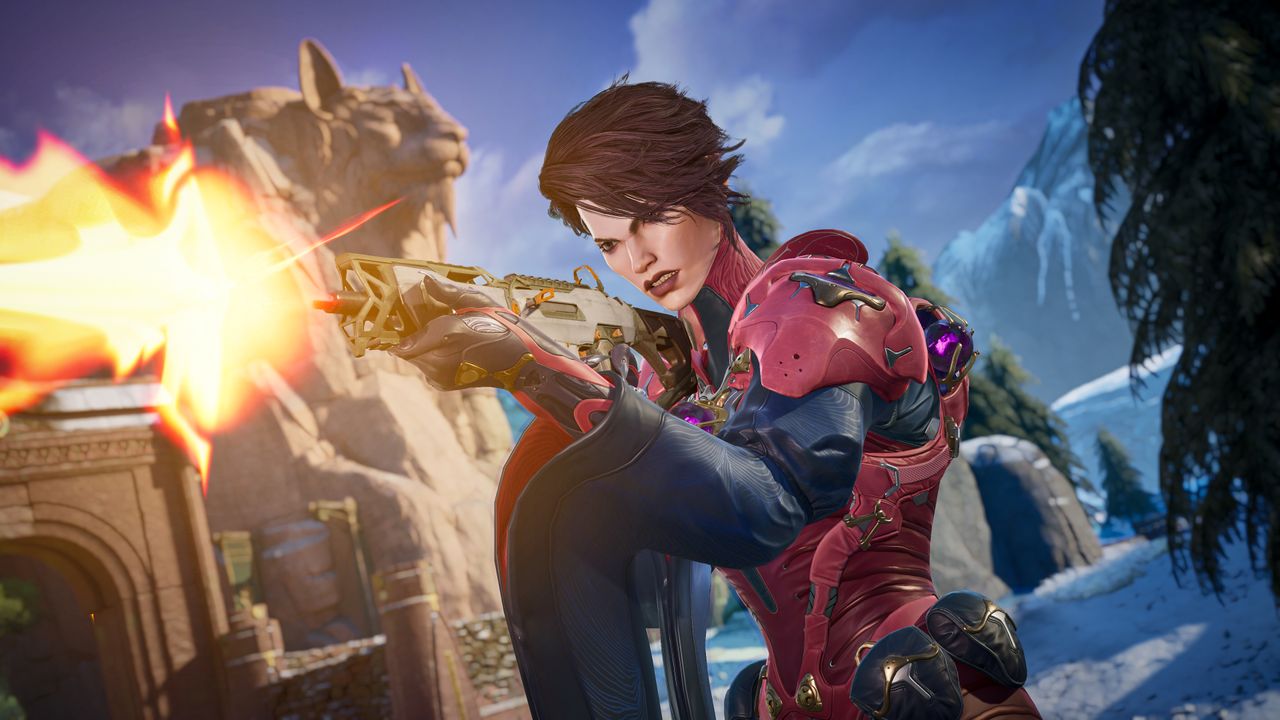
Highguard did better than it might appear, but still nowhere near well enough to be sustainable.
Keep up to date with the most important stories and the best deals, as picked by the PC Gamer team.
It's all over but the crying, as the song famously goes: After 37 days of existence, Wildlight Entertainment pulled the plug on Highguard yesterday, declaring the game unsustainable. Not long after, studio head Chad Grenier shared some insights into how the game actually performed, and it really doesn't sound quite as catastrophic as the game's rapid flameout makes it appear.
"We had slightly over two million players worldwide try the game," Grenier wrote in a thread on X. "I would like to thank all of you for giving the game a try. Given all of the backlash between announce and launch day, trying the game for yourself is all I could have asked for. Thank you to our players.
"Average session duration was 91 minutes. This is actually quite good! This means that on average, a player logged into Highguard and played for 91 minutes. The average games played per session was 3.48 matches per session."
More interesting, I think, is that Steam represented the smallest slice of the Highguard player base: PlayStation 5 was far and away the largest, more than doubling player numbers put up by Xbox, which trailed in second place, and Steam, in third. As PC Gamer's Morgan Park pointed out in his Highguard eulogy, that means thousands of people were playing it every day. That's nowhere near, say, what Arc Raiders pulls in every day, but there was undeniably an audience.
All of which adds up to nothing good, because as Tyler Wilde said in his own take on Highguard's demise and what it means for the future of the industry, merely having an audience isn't enough: Live service games need to be an immediate hit, or they're thrown to the wolves.
In the case of Highguard, Tencent pulled its funding for the game just a couple weeks after it launched, presumably when it became clear the game wasn't going to achieve targets, and after that it was a death spiral: When asked why Wildlight isn't at least sticking with Highguard for a year to give the game a chance to recover, Grenier replied simply, "Not enough revenue to keep anyone employed to work on it, unfortunately."
Grenier also denied claims, arising from post-layoff reports about the lack of external testing, that developers had too many blind spots about Highguard's shortcomings—although he seemed resigned, probably fairl
Source: PC Gamer