Gaming: Intel Signals The End For Its 12th Gen Core Processors, Though The...
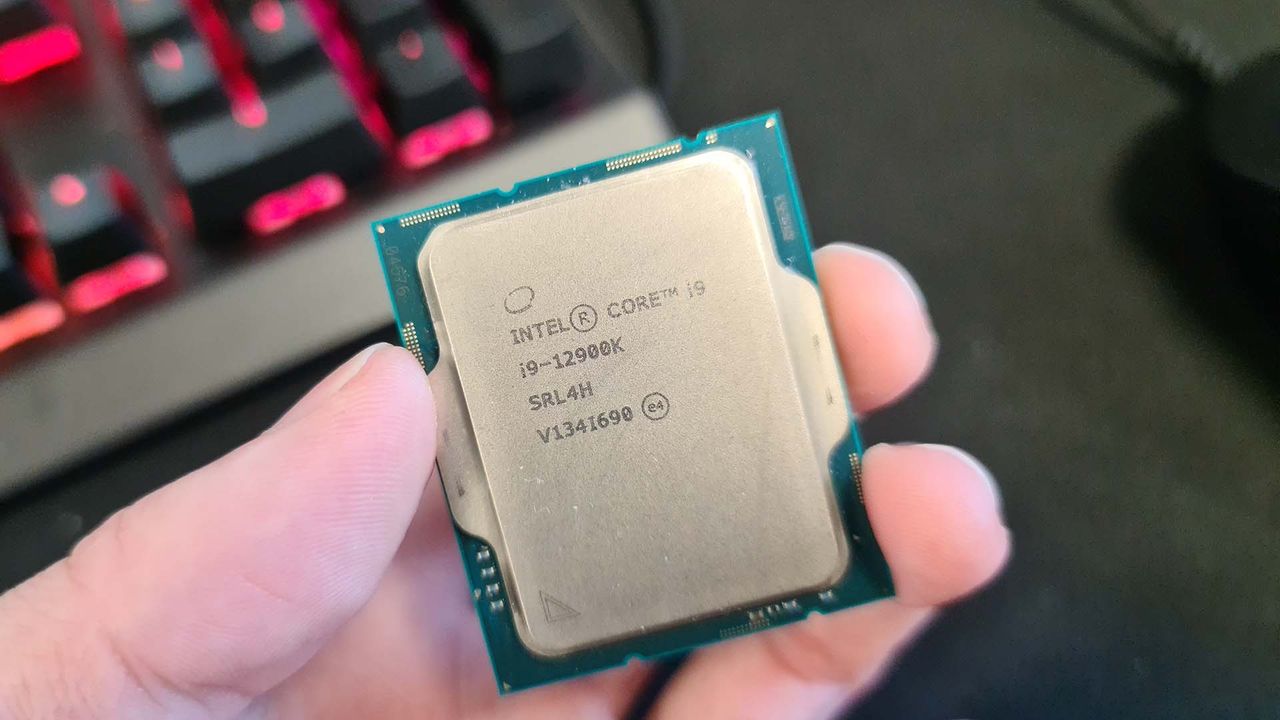
Nothing lasts forever, especially when it comes to PC hardware. Even if the devices continue to work for decades, at some point, the manufacturer will pull the plug on supporting them. In the case of Intel's 12th Gen Core processors, the end officially started at the beginning of 2026, with January 22, 2027 being the final date for the shipment of any 12th Gen chips.
The fact that I am only writing about this now suggests that PC enthusiasts are perhaps not all that interested in these CPUs, but they should be and for good reasons. First of all, the Alder Lake architecture marked Intel's first attempt at implementing a hybrid core design in desktop processors (it had done so previously with mobile-only Lakefield in 2020).
Sporting the monikers of Performance and Efficient core (aka P-core and E-core), with the former handling the donkey work in games and the latter used for background tasks or weighing in with thread-heavy workloads, the markedly different core designs have remained front and centre in Intel's approach to all its consumer CPUs.
All the 'Lakes' since the launch of 12th Gen Core have been hybrid, with the latest iterations (Arrow Lake and Panther Lake) boasting some seriously good E-cores. However, to make all of this work, Intel had to create a special thread management system and collaborate with Microsoft to get Windows to utilise it properly. That took many years to get right, but it pretty much works as intended now, solving all of the niggles Alder Lake users endured when it launched.
You might think it's a really ancient processor, given how many other architectures have been released since its launch, but it first appeared in November, 2021. That makes 12th Gen Core chips just four years old, the same age as AMD's Ryzen 5000-series, which are still great gaming CPUs (especially the 5800X3D and 5700X3D).
Something else that's worth mentioning is the fact that Alder Lake processors have memory controllers that support DDR4 and DDR5. While gaming motherboards that support this chip (i.e. LGA 1700 socket boards) only take one type of DRAM, it does mean that if you were looking to upgrade a much older PC to use a second-hand 12th Gen CPU, you wouldn't be forced to pay a fortune for DDR5, as you can use cheaper DDR4 if you find the right motherboard.
The Alder Lake architecture itself hasn't reached end of life just yet, either, as Intel rebranded some 12th Gen chips for its 13th and 14th Gen Core lineup. For example, the brilliant C
Source: PC Gamer